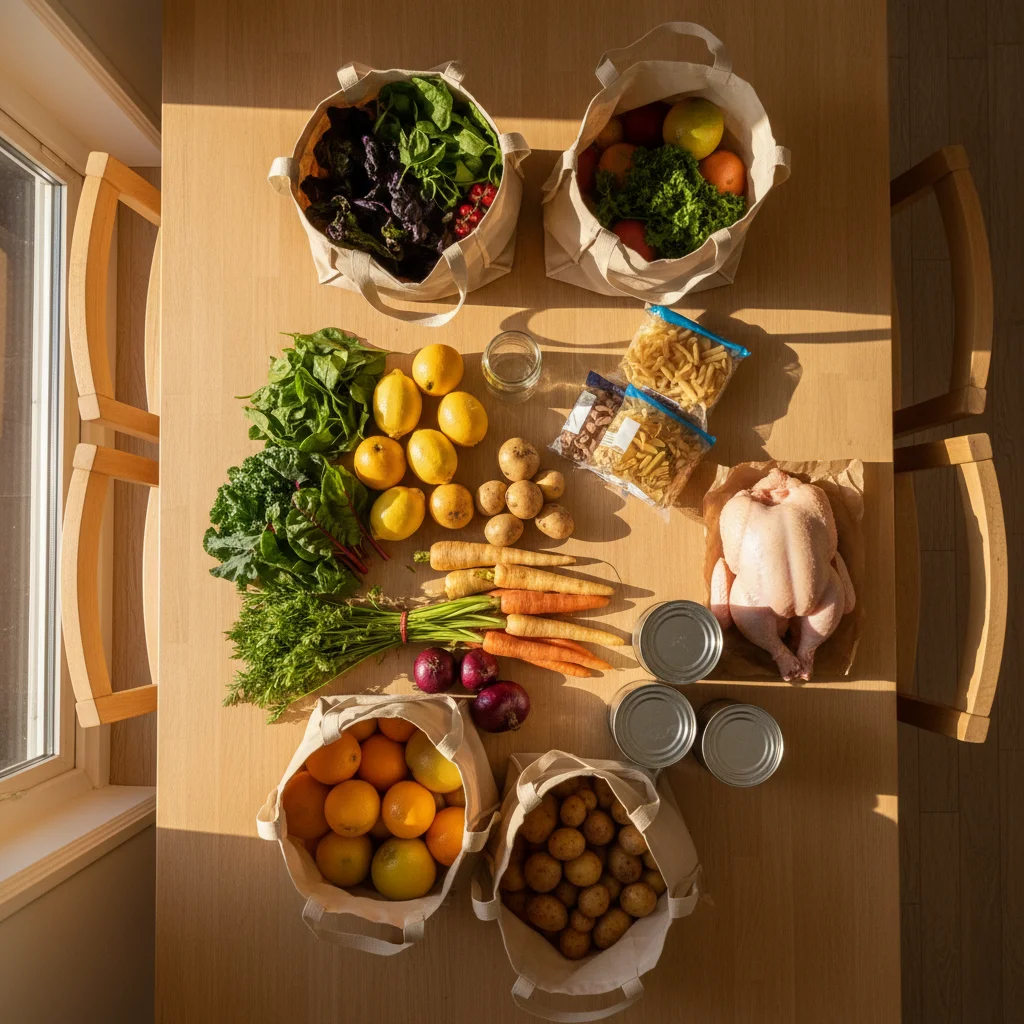
Stop Wasting Food: How Meal Planning Cuts Your Grocery Waste in Half
You buy cilantro for tacos on Monday.
By Friday, it's brown slime in your crisper drawer.
You buy a can of tomato paste for one recipe. Use 2 tablespoons. The rest sits in your fridge until you throw it out three months later.
You know you're wasting food. You know you're wasting money. But you don't know how to stop.
Here's why it happens — and how a proper meal plan actually fixes it.
The Real Reason You Waste Food
It's not because you're lazy or careless.
It's because you plan meals but not ingredients across meals.
The typical week goes like this:
- Monday: Make tacos. Buy cilantro, tomatoes, cheese.
- Tuesday: Make pasta. Buy tomatoes again? Wait, do you still have tomatoes?
- Wednesday: Order takeout because you forgot to plan.
- Thursday: Realize you have half a bunch of cilantro dying in the fridge.
- Friday: Throw out the cilantro.
You bought the right food. You just didn't connect the dots between recipes.
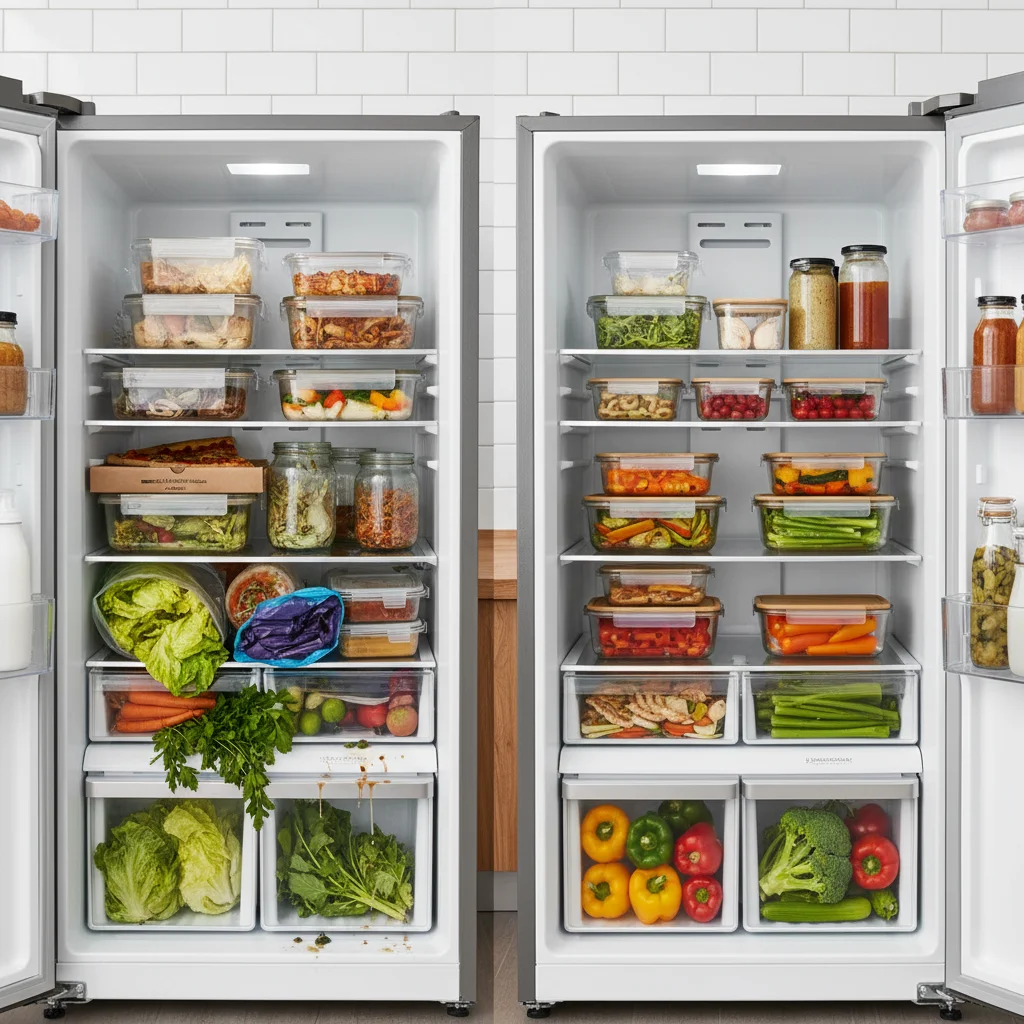
How a Consolidated Shopping List Changes Everything
The key insight is simple: when you plan multiple meals at once, you can buy ingredients that work across recipes — and buy them in the right amounts.
Ingredient Consolidation
When you add recipes to a weekly plan in PlanShopChop, it generates one consolidated shopping list.
Without consolidation:
- Monday's recipe needs 1 cup cilantro
- Thursday's recipe needs half a cup cilantro
- You buy cilantro twice, or buy it once and forget to use the rest
With consolidation:
- PlanShopChop sees both recipes need cilantro
- Your shopping list combines them into one entry
- You buy one bunch, use it all across both meals
This happens automatically for every ingredient across every recipe in your plan.
Plan Recipes That Share Ingredients
The real waste-reduction trick is choosing recipes that overlap on purpose.
Good overlap examples:
- Cilantro — use in tacos Monday, Thai soup Wednesday
- Tomatoes — pasta sauce Tuesday, caprese salad Thursday
- Fresh herbs — garnish three different meals before they wilt
When you can see your whole week in one view, these overlaps become obvious. You stop buying ingredients for one meal and start buying ingredients for a week.
A Week Without Waste
Here's what a planned week actually looks like:
Monday: Chicken Tacos — chicken, cilantro, lime, tomatoes, cheese
Tuesday: Thai Coconut Soup — chicken broth, coconut milk, cilantro (same bunch), lime (same limes)
Wednesday: Caprese Pasta — tomatoes (same batch from Monday), fresh mozzarella, basil
Thursday: Chicken Quesadillas — leftover chicken from Monday + cheese
One shopping list:
- 1 bunch cilantro (used across 2 recipes)
- 1 lb tomatoes (used across 2 recipes)
- 2 limes (used across 2 recipes)
- Chicken (used across 3 meals)
Everything you buy gets used. Nothing rots in the back of the fridge.
Three Steps to Cut Your Food Waste
Step 1: Plan Your Whole Week, Not Just Tonight
Pick 4-5 dinners and add them to your weekly calendar. Look for ingredient overlaps — if two recipes use fresh basil, plan them in the same week so the basil gets used before it wilts.
Not sure what recipes share ingredients? Ask Chef AI to suggest meals that pair well together. Tell it "I'm making chicken tacos Monday — what should I cook later in the week that uses cilantro and lime?" and it'll generate a recipe that completes the loop.
Step 2: Shop From One Consolidated List
Instead of making separate lists for each meal, let PlanShopChop generate one combined list from your whole week's plan. Ingredients are consolidated and organized by store section, so you shop once, buy exactly what you need, and get in and out faster.
If you realize mid-shop that you want to add something, the shopping assistant lets you add items right from the list.
Step 3: Cook Perishables First
Simple rule: cook the most perishable ingredients early in the week.
- Monday/Tuesday: Fresh fish, seafood, delicate greens
- Wednesday/Thursday: Chicken, pork, softer vegetables
- Friday: Pantry staples, beans, frozen items, or leftovers
This isn't complicated. It just requires seeing the week as a whole — which is exactly what the weekly planner gives you.
The Money Side
The average American household wastes about $1,500 per year on uneaten food, with 30-40% of purchased food ending up in the trash.
If a consolidated meal plan cuts that waste by even half:
- $750 saved per year
- Fewer emergency grocery runs (less impulse buying)
- Fresher meals (you're using ingredients at their peak)
A meal planning app costs a few dollars a month. The food you stop throwing away pays for it many times over.
Keep Reading
- 5 Meal Prep Strategies That Actually Work — Five practical approaches to weekly meal preparation.
- All Your Recipes in One Place: 4 Ways to Build Your Personal Cookbook — Get your recipes organized before you start planning.
- Stop Stressing About Dinner: How PlanShopChop Makes Home Cooking Easy — The complete guide to connecting recipes, planning, and shopping.
Try It Free for 5 Days
PlanShopChop consolidates ingredients across your entire week, generates organized shopping lists, and connects everything from recipe to plan to store. Start your free trial and see how much less food ends up in the trash.